History
"never give up"History – Event
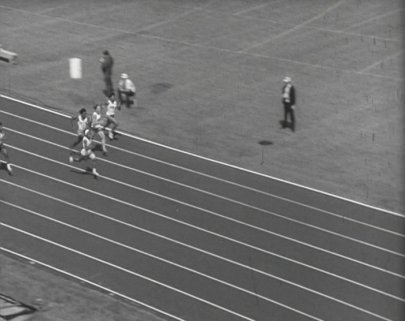
The Jerome Classic in Vancouver, BC, began in 1964 titled the ‘The International Olympic Preview’ as a build-up and preview of the Tokyo Olympics. Harry Jerome used the event for a triumphant comeback on route to a Bronze medal in the 100 metres for Canada at the 1964 Tokyo Olympics. The event was later named the ‘Achilles Meet‘.
In 1984, the ‘Achilles Meet‘ event was renamed the ‘Harry Jerome Track Classic‘ in loving memory of the legendary Canadian Olympic sprinter Harry Winston Jerome who passed in ’82 after inspiring generations with his remarkable talent and commitment to community.
HARRY JEROME’S IMPACT
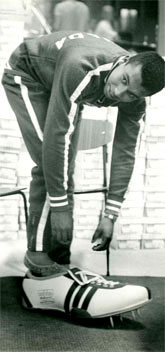
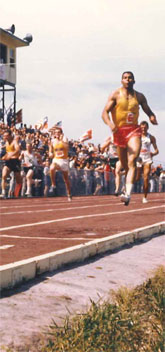
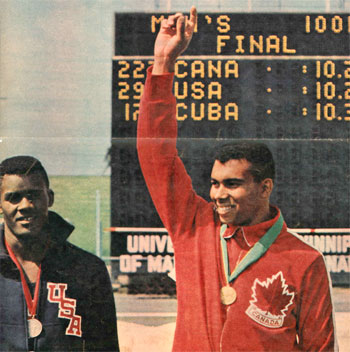
Continuing his streak, Harry Jerome claimed gold at the 1966 British Commonwealth Games, setting a world record of 9.1 seconds over 100 yards, and triumphed at the Pan-American Games in 1967. His persistence culminated by representing Canada at his third Olympic Games in 1968, defying earlier doubts about his career longevity. Historical photos courtesy of the BC Sports Hall of Fame.
Harry Jerome retired from international competition at the end of the 1968 season, ending a career that included stints as the world’s fastest man in tying the 100 yards world record of 9.3 seconds in 1960. Two years later he lowered it to 9.2 in a memorable day at Vancouver’s Empire Stadium. In 1966 he improved again upon that mark by running 9.1. During his career he also held the world indoor mark for 60 yards and ran the anchor leg for his University of Oregon relay team that set a world mark in the 4×110-yard relay.
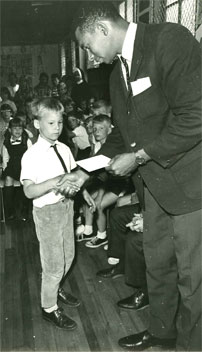
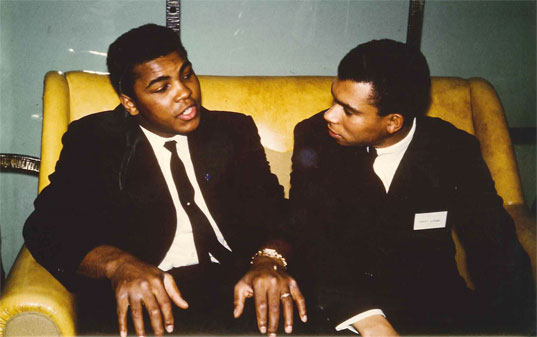
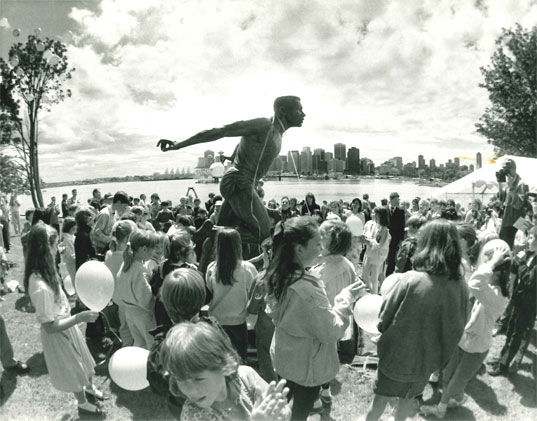
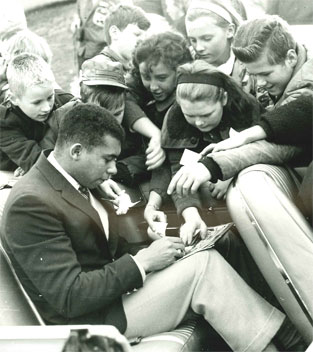
Furthermore, Harry Jerome made outstanding contributions to youth sports and the local community. He remained a mentor and inspiration for Canadians, working in the Federal Ministry of Sport and, later, developing the B.C. Premier’s Sport Awards Program to encourage young people to become active and strive for their own athletic dreams. He received the Order of Canada in 1971 and was named British Columbia’s Athlete of the Century. Harry Jerome died suddenly from a brain aneurysm on December 7, 1982, at age 42.
the jerome family legacy
The event was titled the ‘Harry Jerome International Track Classic’ earlier, and is now referred to as ‘The Jerome Classic’, to pay honour to Harry Jerome’s outstanding contributions to both sport and community.
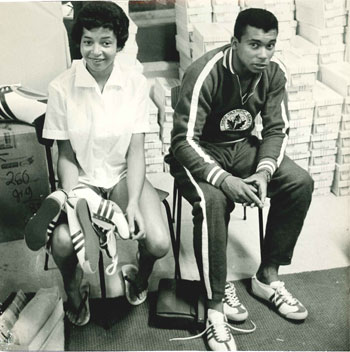
Valerie Jerome, Harry’s sister, simultaneously etched her name in history, capturing a bronze medal at the 1959 Pan American Games as well as competing for Team Canada in the 1960 Olympics in Rome, alongside Harry. Valerie’s athletic prowess and ground-breaking achievement served as an inspiration and legacy in Canadian sports history and track and field. Her contribution to Canada’s success on the international stage stands as a testament to her skill, determination, and commitment to excellence.
Valerie and Harry Jerome, following their athletic triumphs, remained influential figures in sport and education. Valerie became a PE teacher, guiding young athletes while Harry mentored and advocated for youth sport.
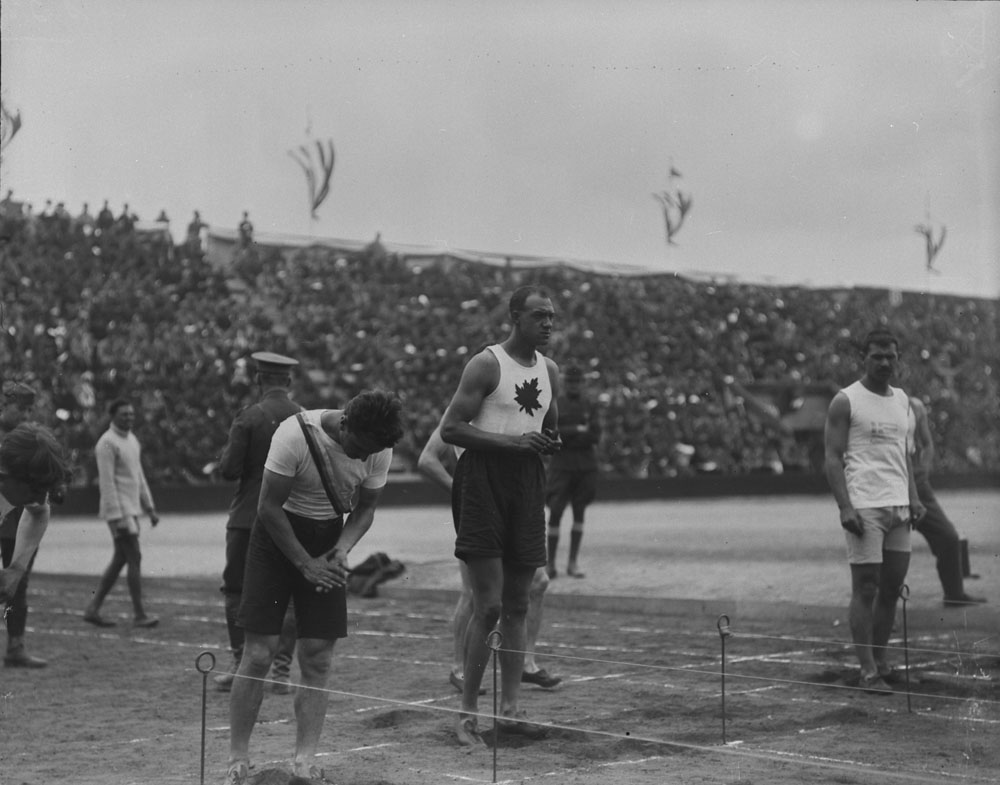
Following the path of their grandfather, John Armstrong Howard, Canada’s first Black Olympic athlete in 1912, Valerie and Harry Jerome remain inspirational figures. The Jerome family broke barriers in sport with legacies of athletic excellence and a dedication to nurturing the next generation.
History – Harry Jerome
WHO IS HARRY WINSTON JEROME?
Harry Winston Jerome was born on September 30, 1940, in Prince Albert, Sask., and moved with his family to British Columbia and the Vancouver area in 1951.
He was a talented athlete who excelled in a variety of sports, including baseball and football. But exceptional speed was his trademark and special gift, propelling him not only to success on the gridiron and baseball diamond, but also to the pinnacle of international athletics competition as one of the top sprinters and one of the best to ever represent Canada.
Harry Winston Jerome emerged as international sensation by clocking 10.0 seconds in the 100 metre dash at the Canadian Olympic Trials in 1959, equaling the world record at the time. Nationally he was already known, setting the Canadian 220 yard sprinting record a year earlier at just 18 year’s of age.
Pulling a muscle in the semi-finals before his highly anticipated 1960 Olympic games in Rome, and a near career ending full quadriceps tear at the 1962 British Empire and Commonwealth Games, Harry Jerome was left subject to unjustifiably harsh criticism from media. What should have been a promising Olympic debut for Jerome became the first of many difficult trials that served as a test of the athlete’s personal motto: Never Give Up.
Jerome pulled a muscle in the 100-metre semi-finals in Rome and was out of the competition. Two years later, at the 1962 British Empire and Commonwealth Games in Perth, Australia, world record holder Jerome pulled up lame and finished last in the 100-yard final. Media lambasted him as “a quitter” even as tests confirmed he had suffered severely torn left thigh muscles that would keep him out of competition for all of 1963, with a possible prognosis of never again being able to compete.
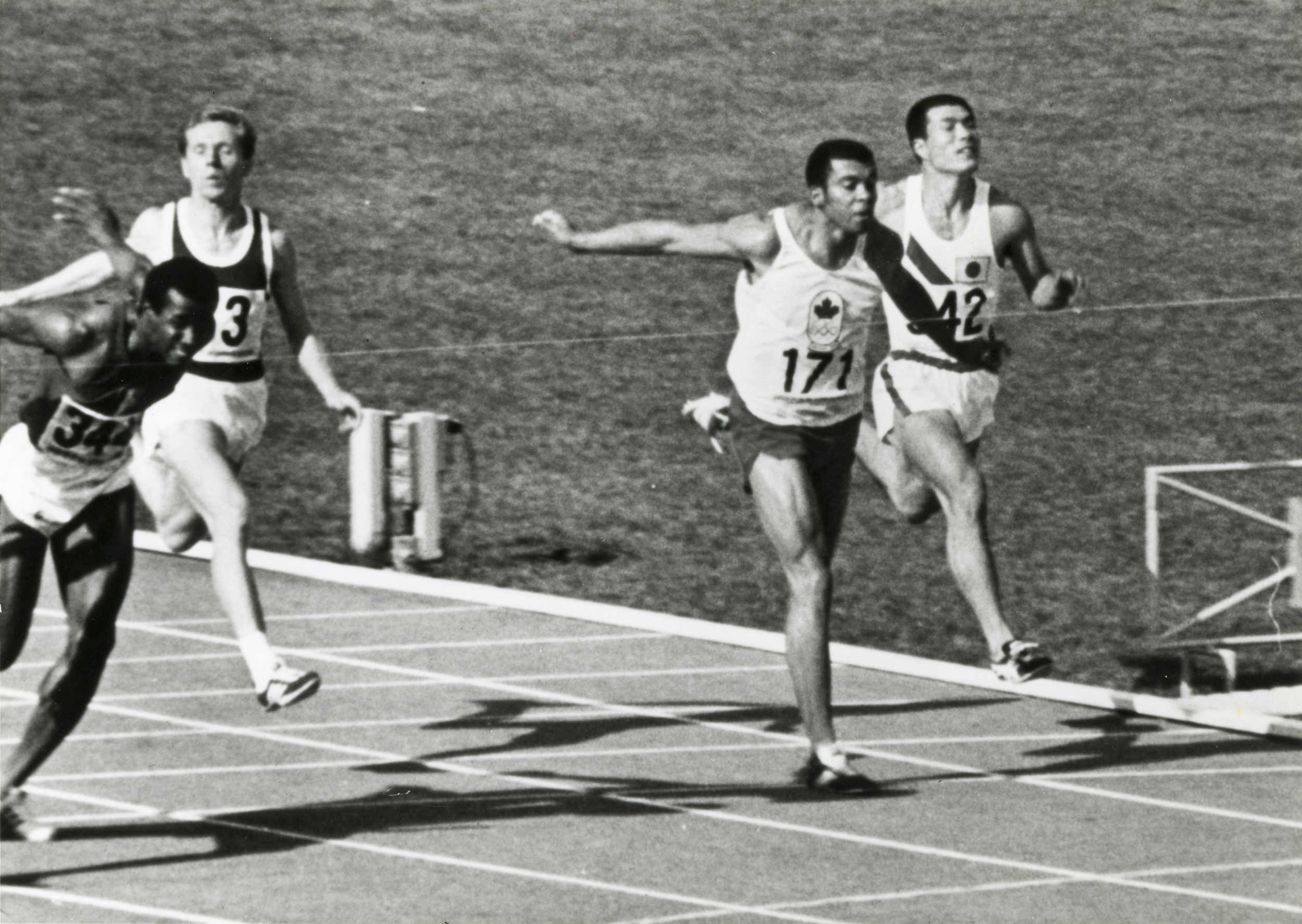
However, Harry showcased resilience, making a triumphant comeback at the 1964 Tokyo Olympics, securing a bronze medal for Canada in the 100 meters. Two days later he finished fourth in the 200 metres, confirming his place among great sprinters while finally earning some grudging respect from Canadian media that seemed to relish in judging him harshly.
A hallmark event
In 1984, this event was renamed the ‘Harry Jerome Track Classic’ in loving memory of the legendary Canadian Olympic sprinter Harry Winston Jerome who passed in ’82 after inspiring generations with his remarkable talent and commitment community.
In 2024, the event name shortened to The Jerome Classic, continuing to pay tribute to Harry Jerome, his epic athletic performances, and commitment to supporting youth development and the local athletic community. The meet also underwent a exciting new partnership between the non-profit Vancouver International Marathon Society RUNVAN® and the Achilles International Track and Field Society.